
Images stop before the story begins
People want a short piece, but most tools only generate still images and leave storyboard, voice, and editing to the user.
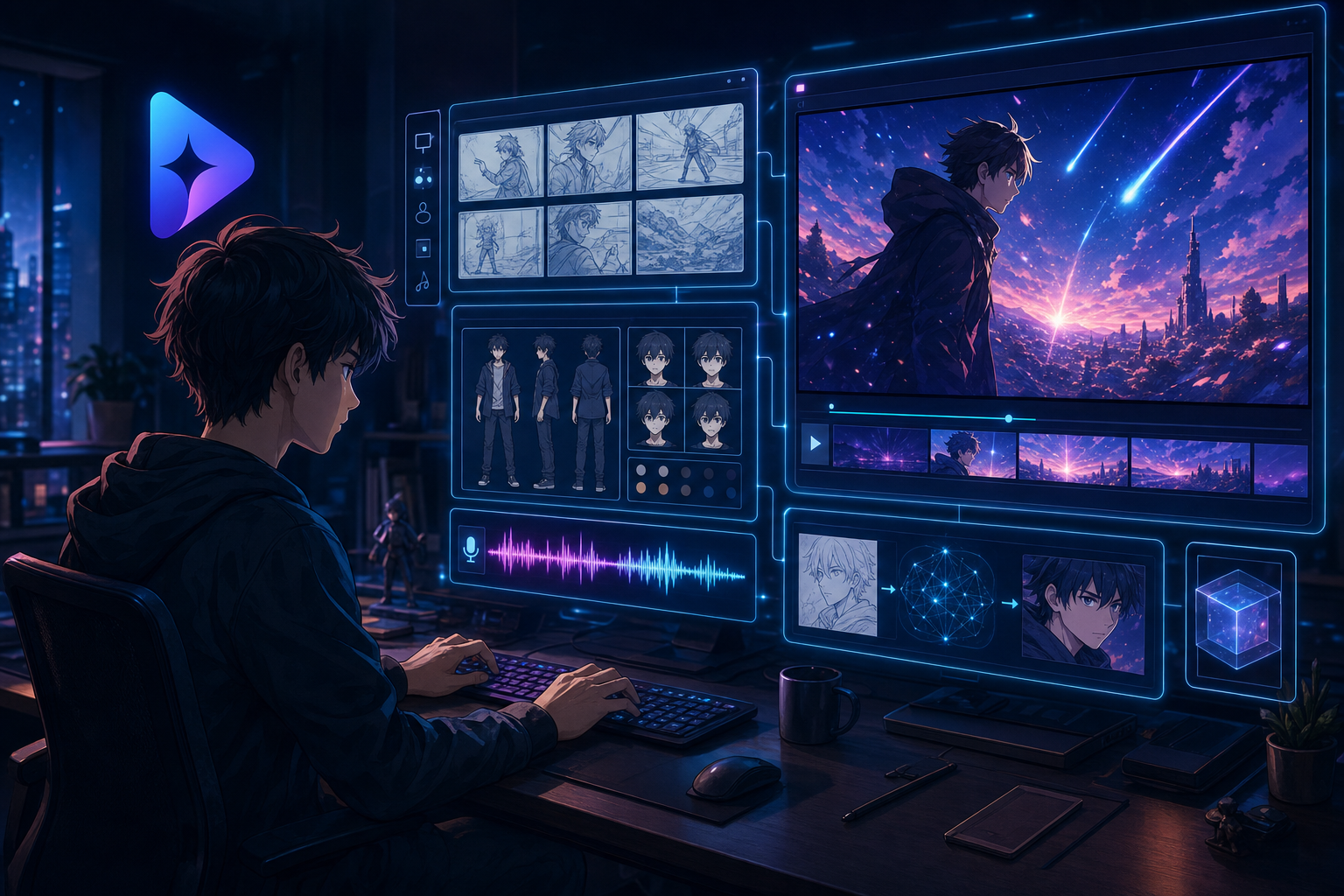
Enter a real-life memory, photo idea, or original plot. Anivid helps generate the story script, character setup, anime storyboard, voice, and final video so anyone can create their own anime piece.
Many tools can create one good-looking image. The hard part is turning story, characters, shots, and voice into a watchable anime sequence.
People want a short piece, but most tools only generate still images and leave storyboard, voice, and editing to the user.
Even with a good idea, it is hard to break it into shots and pacing without a clearer structure.
Images, voice, clips, and final composition often live in separate tools, which makes the whole process hard for non-professionals.
Anivid separates the process into stages so story, characters, storyboard, and final video can be reviewed and refined.
Anivid connects story, characters, storyboard, voice, and final composition into one path so ordinary users can move from an idea to a shareable work.
Start from one memory, photo idea, or original spark and turn it into an editable story draft.
Give main roles a visual profile, personality, and reference base to reduce style drift later.
Break the story into understandable shots before moving into generation.
Combine visuals, narration, voice, and clips into something closer to a watchable anime short.
Anivid ships with a built-in director agent that breaks down the script, generates every shot, composes voice and video, and guards quality. You only confirm direction at key checkpoints.
Confirm the creative brief and visual bible, locking character looks and visual constraints.
The agent expands and polishes the story script, then moves into storyboarding once confirmed.
Shots are structured automatically, with prompts to confirm character actions in multi-role scenes.
Final frames are generated shot by shot, together with narration and character voices.
Dynamic scene clips are generated, with a cost confirmation before credits are spent.
The full short is composed automatically, with subtitles and a quality check report.
Director mode confirms key checkpoints, while pro mode gives shot-by-shot control.
Before composition, the agent checks duration, silence, and visual quality risks and blocks failing shots.
When a shot fails, the agent can diagnose the cause, regenerate it, and roll back to a better version.
The showcase is not about single posters. It helps you understand how different ideas can move from raw inspiration toward an anime short direction.
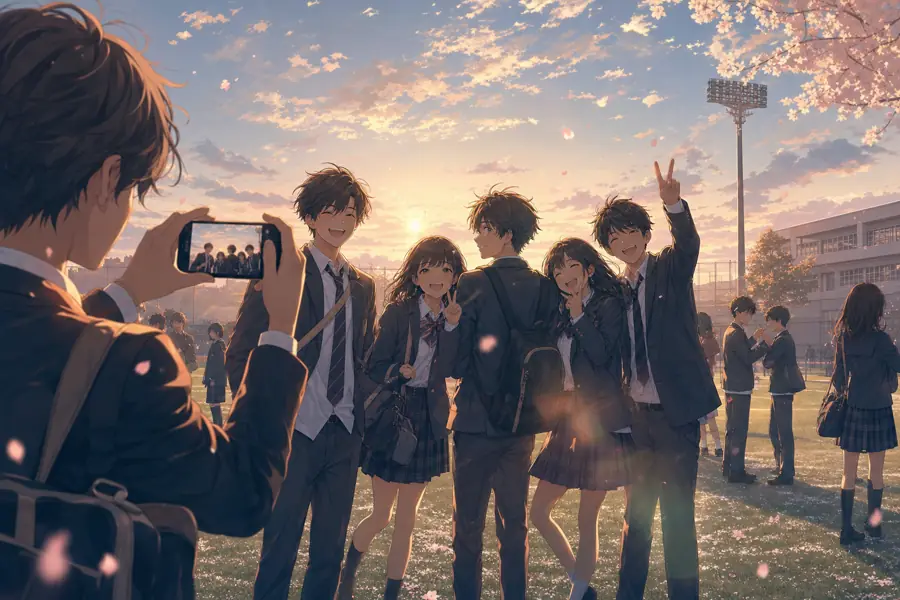
Start from photos, relationships, and farewell emotion to create a more character-led anime direction.
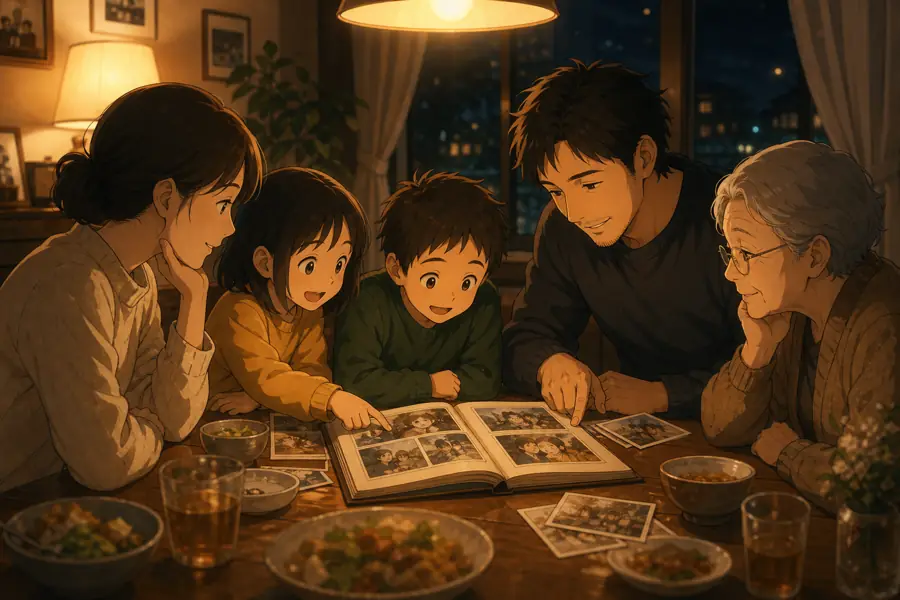
Shape everyday warmth, reunion, and unsaid emotion into something worth saving and sharing.
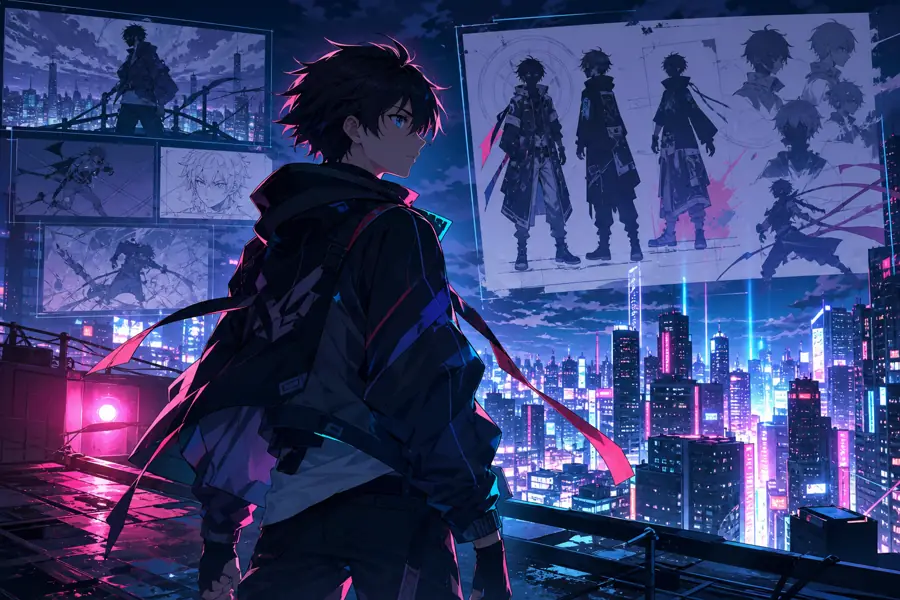
Use characters, conflict, and storyboard pacing to see whether the idea is worth developing further.
Anivid is not about changing a photo into an anime style. It organizes scattered material into a path that can keep moving toward a finished work.
The goal is a story short, so the workflow starts with script, characters, shots, and final composition.
Each stage gives a result to review, so you can adjust instead of gambling on one final output.
Characters, storyboards, and works can accumulate and later expand into a series.
New visitors should immediately see where their own need fits, instead of only reading abstract feature claims.
Best for family, graduation, romance, pets, growth, and farewell stories with emotional value.
Useful for novel ideas, character setups, short drama openings, and creator account concepts.
Useful for brand stories, event content, IP collaborations, and lightweight anime-style marketing.
When campaign traffic lands on the site, visitors need to understand the next step, the value, and the cost boundary quickly.
New users can run a lightweight flow first and check whether the topic and visual direction fit.
Validate story and storyboard before moving into voice and final composition.
Works can be saved, shared on social platforms, and later returned to the creation flow.
Try Life to Anime for real-life memories, or enter the creation hub to turn an original idea into a complete work.